
Flexible wear protection
In this section
-
Wear protection solutions
-
How to protect your plant
-
Common wear related challenges
柔性磨损防护材料要成功发挥保护作用,必须具备足够的弹性以能够改变形状,同时周围还要留有充足的空间。这些材料能够在设备内部将岩石滚落或翻滚时所产生的冲击力进行重新分配。
“翻滚”这个关键术语很好地描述了物料在弹性体表面滑动或涌动的过程。只要颗粒物在撞击材料表面时能发生反弹并改变运动轨迹,就能够极大地降低磨损,进而确保耐磨材料具有较长的使用寿命。
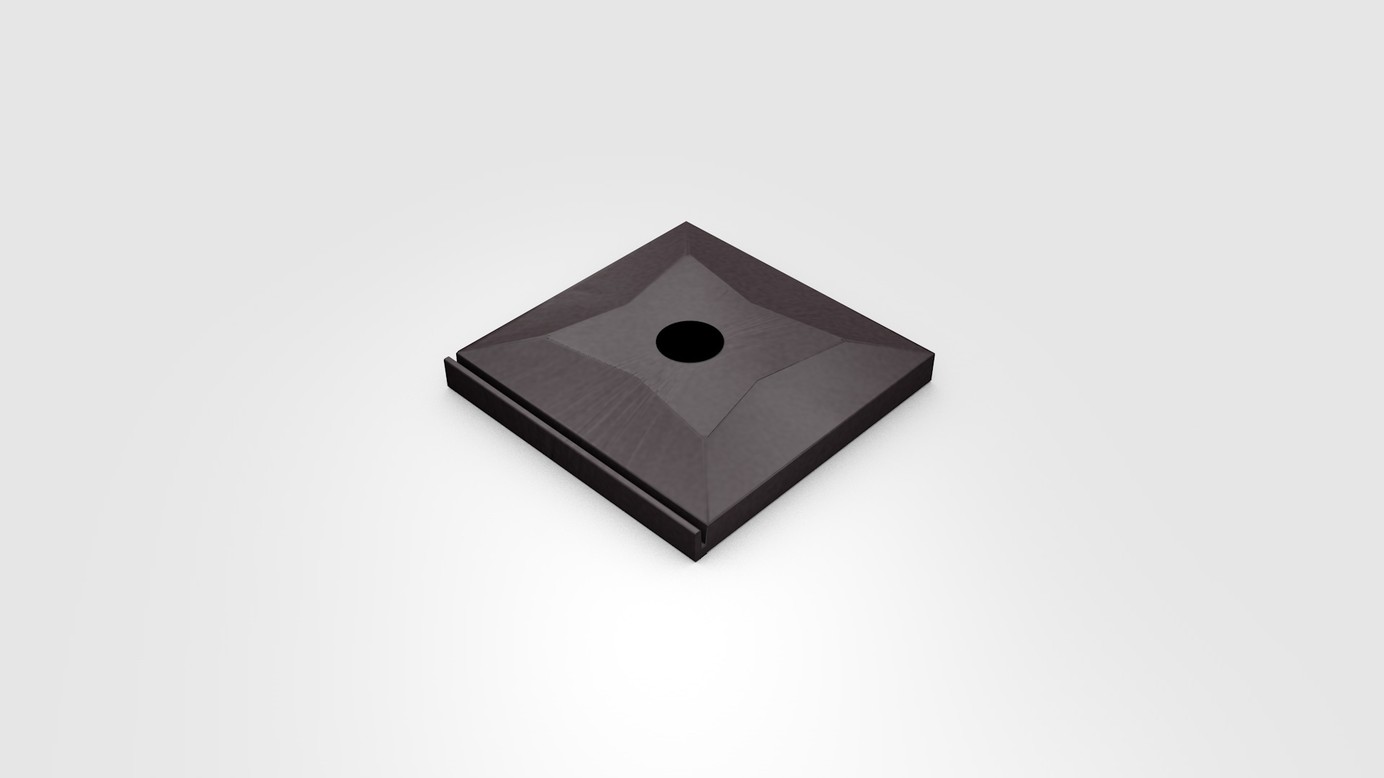 图片:WT7000 橡胶板
为了实现“翻滚”效果,耐磨材料要起到弹簧或蹦床的作用——耐磨防护材料不是彻底吸收岩石颗粒的能量,而是转移能量让颗粒回弹。如果颗粒物钻入弹性体材料,并导致其发生撕裂和侵蚀,磨损寿命将显著缩短。
与高硬度耐磨材料相反,柔性耐磨材料的基本原理是越软越好。不过,这一基本原理有些过于简单,事实上如果材料没有回弹能力,即使再软也起不到磨损防护作用。
对于冲击能较大的应用环境——这类材料通常表现极佳——考虑到实用性和经济原因,可以使用稍硬一点的材料。回到前面提到“蹦床”类比,最重要的一点是防止跳跃者撞到地面。因此,蹦床是根据玩家的最大体重和跳跃高度设计的。
因此在矿物加工领域,磨损防护材料就应根据特定的落差高度、粒度和密度来设计。磨损防护材料的厚度和物理性能必须符合这些需求。
您不仅要为磨损防护材料确定合理的厚度,还要精心选择材料性能,以避免冲击能击碎聚合物链,导致材料快速磨损。